
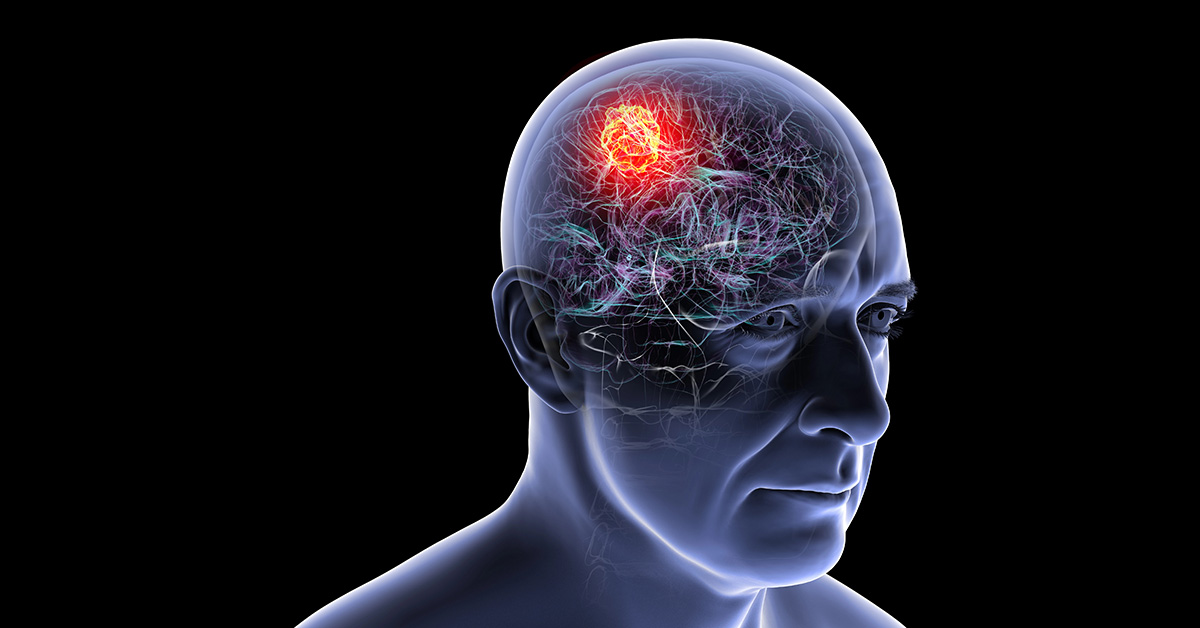
Glioblastoma
Glioblastoma, also called glioblastoma multiforme (GBM), is the most aggressive type of primary brain tumor in adults. It originates from glial cells—supporting cells in the brain that help protect and nourish neurons. Although relatively rare, glioblastoma accounts for nearly half of all malignant brain tumors, making it the most common high-grade glioma.
What makes glioblastoma particularly challenging is its rapid growth, its tendency to spread within the brain, and the difficulty in removing it completely with surgery. Despite these challenges, advances in treatment are helping many patients extend survival and improve quality of life.
How Glioblastoma Develops
Glioblastomas arise from astrocytes, a type of glial cell that supports brain function. Unlike benign tumors that grow slowly and stay contained, glioblastomas infiltrate surrounding brain tissue, making them hard to fully remove. They are usually found in the cerebral hemispheres—the largest part of the brain that controls movement, speech, and thought—but can occur anywhere in the brain or spinal cord.
Symptoms
The symptoms of glioblastoma often depend on the tumor’s location. Because these tumors grow quickly and create pressure within the skull, symptoms may appear suddenly and worsen over weeks. Common signs include:
- Headaches that are persistent or more severe in the morning
- Nausea and vomiting due to increased intracranial pressure
- Seizures, even in people without a history of epilepsy
- Weakness or numbness in the arms or legs
- Difficulty with speech, memory, or concentration
- Changes in personality or mood
In some cases, symptoms may mimic those of a stroke, such as sudden weakness or speech difficulties.
Diagnosis
Diagnosis typically begins with a neurological exam followed by imaging studies. Magnetic resonance imaging (MRI) is the most effective tool for visualizing glioblastoma. A biopsy, often performed during surgery, is required to confirm the diagnosis and determine the tumor’s characteristics.
Doctors may also test for genetic mutations, such as MGMT promoter methylation or IDH mutation status, which can influence treatment planning and prognosis.
Treatment Options
There is currently no cure for glioblastoma, but treatment focuses on slowing tumor growth, relieving symptoms, and extending survival. A combination approach is standard:
- Surgery: The first step is usually maximal safe resection—removing as much of the tumor as possible without harming vital brain function.
- Radiation therapy: High-energy beams target remaining tumor cells to prevent regrowth.
- Chemotherapy: Temozolomide, an oral chemotherapy drug, is commonly used alongside radiation and afterward as maintenance therapy.
- Tumor treating fields (TTF): A wearable device that delivers electrical fields to disrupt cancer cell division.
Clinical trials are ongoing, exploring new therapies such as immunotherapy, targeted drugs, and personalized vaccines.
Prognosis
Glioblastoma remains one of the most difficult cancers to treat. The average survival is about 15 to 18 months with standard therapy, though some patients live much longer, especially when the tumor has favorable genetic markers. Younger age, good overall health, and complete surgical removal of the tumor are associated with better outcomes.
Supportive care—including physical therapy, occupational therapy, and counseling—also plays a crucial role in maintaining quality of life.
Glioblastoma is an aggressive and life-changing diagnosis, but treatment advances continue to bring hope. Multidisciplinary care, including neurosurgeons, oncologists, and rehabilitation specialists, helps patients navigate the challenges of this condition. While a cure has not yet been found, research is rapidly progressing, offering patients and families new options and reasons for optimism.