
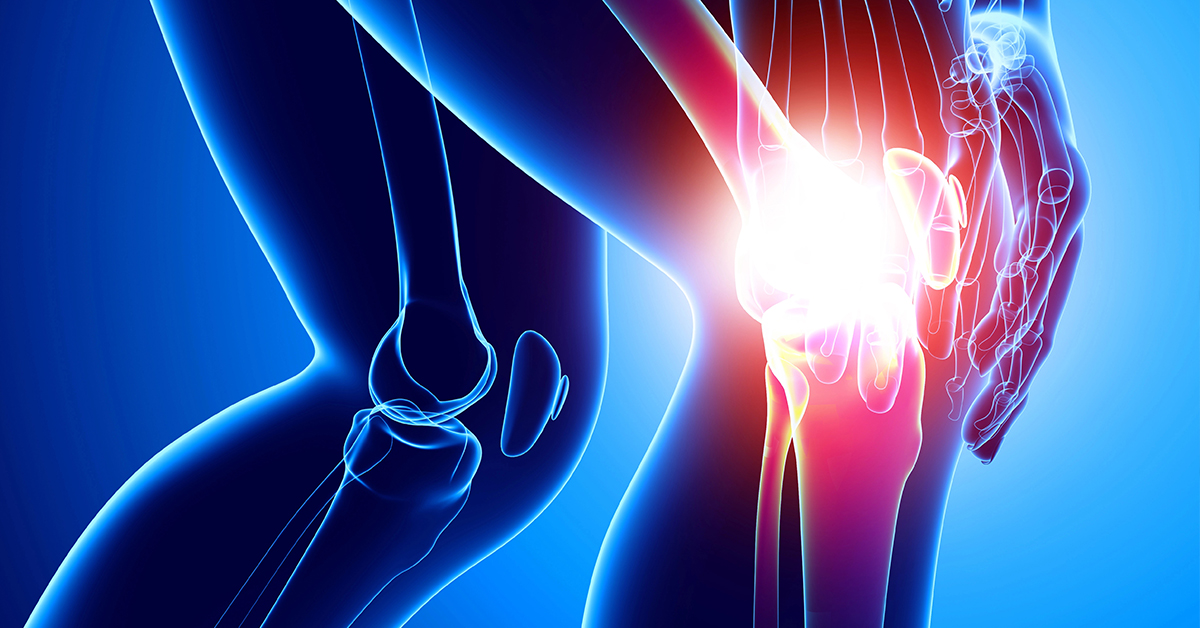
Warning Signs That Knee Pain Needs Medical Attention
Knee pain is something most people experience at some point, whether from daily wear and tear, physical activity, or minor injuries. In many cases, knee discomfort improves with rest and simple care. However, there are situations where knee pain signals a more serious issue and should not be brushed aside. Knowing when knee pain requires medical evaluation can help prevent further damage and support a faster, safer recovery.
Ongoing or Intense Knee Pain
Knee pain that is severe or does not improve over time is one of the clearest signs that something more serious may be going on. Pain that persists despite rest, ice, or over-the-counter medication may indicate injuries such as ligament tears, meniscus damage, or even fractures. Discomfort that lasts several weeks or continues to worsen may also be linked to chronic conditions like osteoarthritis or inflammatory joint disease and should be evaluated by a healthcare professional.
Visible Swelling or Changes in Skin Color
Swelling is a common response to injury, but significant or persistent swelling can be a warning sign. If the knee appears noticeably swollen, red, or warm to the touch, it may indicate inflammation, joint irritation, or infection. In rare but serious cases, joint infections can develop and require immediate treatment to prevent permanent joint damage.
Knee Instability or Buckling
A knee that feels unstable or gives out when standing or walking should never be ignored. This sensation often points to ligament injuries, such as damage to the ACL or other stabilizing structures. Instability increases the risk of falls and further injury and usually requires professional assessment and treatment planning.
Difficulty Standing or Bearing Weight
If putting weight on your knee causes sharp pain or feels impossible, this can indicate a significant injury. Fractures, severe ligament tears, or advanced joint damage may make weight-bearing unsafe. In these cases, prompt medical care is essential to avoid worsening the injury.
Locking, Catching, or Restricted Movement
Knees that lock, catch, or feel stuck during movement may be experiencing mechanical problems inside the joint. Meniscus tears or loose fragments of cartilage or bone can interfere with smooth motion and limit range of motion. These symptoms often require imaging and further evaluation to determine the best course of treatment.
Visible Deformity or Abnormal Shape
Any obvious change in the shape or alignment of the knee should be treated as a medical concern. Deformities may be caused by dislocations, fractures, or severe soft tissue injuries. Immediate evaluation is necessary to prevent long-term complications and restore proper joint function.
Knee Pain with Fever or General Illness
Knee pain accompanied by fever, chills, or a general feeling of illness can signal infection or systemic inflammation. Joint infections, though uncommon, are medical emergencies and require urgent treatment. If knee pain occurs alongside these symptoms, prompt medical attention is critical.
History of Prior Knee Injury
People with a previous knee injury should be especially cautious when new pain develops. Old injuries can increase the risk of repeat damage or degenerative changes in the joint. New or worsening symptoms may indicate progression of joint damage or a new injury that needs evaluation.
While not all knee pain is serious, certain symptoms should never be ignored. Severe pain, swelling, instability, limited movement, or pain combined with systemic symptoms are all signs that medical evaluation is needed. Seeking timely care can help prevent further damage, support effective treatment, and protect long-term knee health. When in doubt, consulting a healthcare professional is always the safest choice.